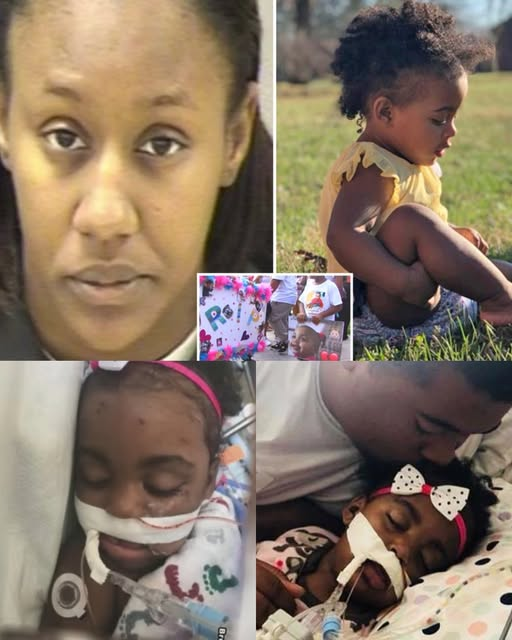
She was only twenty-two months old—still learning her first words, still discovering how to laugh, still small enough to fit in the crook of an adult’s arm. But on August 16, 2018, littleAmarah Lane took her last breath, dying from injuries so severe that doctors and detectives alike were shaken. The official cause: blunt force trauma to the head, inflicted not by a stranger, not by a babysitter, but by the one person who should have protected her with every breath—her mother.
Amarah’s story is not just one of tragedy.
It is a chilling chronicle of warnings missed, systems failing to act, and a little girl whose suffering could have—and should have—been prevented.
Her life raises a question that lingers long after the final police report is written:
How many signs does it take before someone steps in to save a child?

A Baby Who Needed Only Love
Born bright-eyed and delicate, Amarah entered the world already surrounded by uncertainty. Her mother, 20-year-old Fantasia Lane, struggled deeply with mental health from the beginning—an internal storm that would later become a central factor in the tragedy.
But Amarah didn’t know that.
To her, the world was still soft, gentle, and new.
She was tiny.
She was quiet.
She had a smile that lit up her whole face.
Those who later spoke of her described a little girl who only ever wanted to be held, comforted, and loved. In her short life, she found that safety only briefly—and never for long enough.
Because trouble began almost from the very beginning.
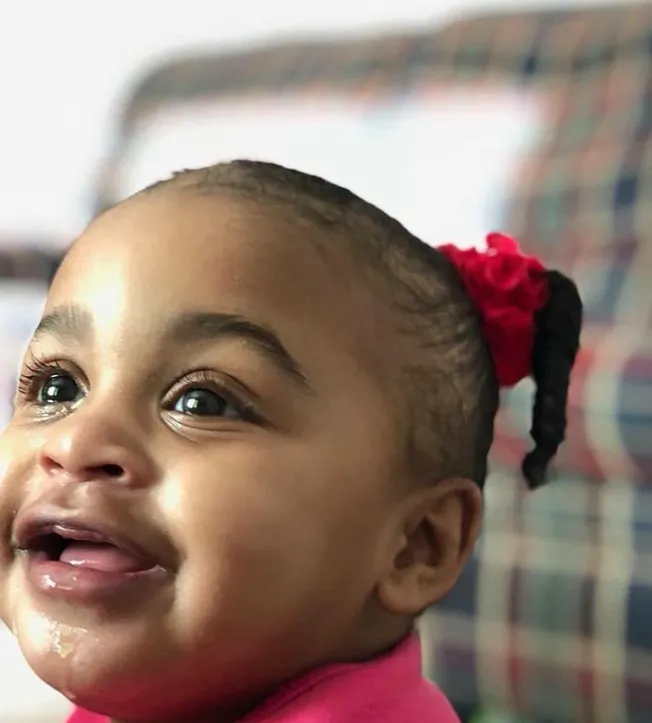
The First Visit to the Hospital—Only Three Weeks Old
When Amarah was just three weeks old, she was rushed to the hospital withburns on her face and swollen hands.
Three weeks old.
That detail alone should have stopped everyone in their tracks. A newborn with burns severe enough to require medical attention. A newborn with swollen hands that could barely curl.
Doctors questioned Fantasia.
CPS was brought in.
Documents were written.
Concerns were raised.
And yet—Amarah was not removed immediately. She was placed in foster care temporarily, but her mother’s parental rights remained intact.
Even then, the warnings were already screaming.
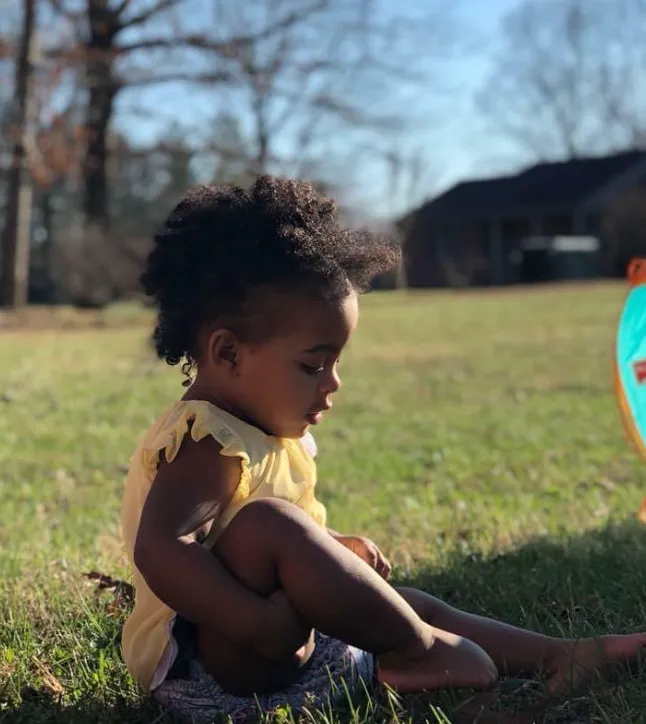
A Psychological Evaluation That Told the Truth Too Clearly
Following the first incident, Fantasia underwent a full psychological evaluation. The results were stark, precise, and deeply alarming. Court documents later revealed:
- She suffered from major depression
- She had an unstable mood
- She had suicidal behaviors
- She lived in a state of constant inner turmoil
- She had severely impaired attachment ability
- She showedextremely high potential for future child abuse
Doctors didn’t sugarcoat anything.
They didn’t hesitate.
They didn’t leave room for interpretation.
They wrote, in professional black ink, that Fantasia was not emotionally capable of safely parenting her daughter.
Their warnings predicted exactly what would happen.
But those predictions were ignored.
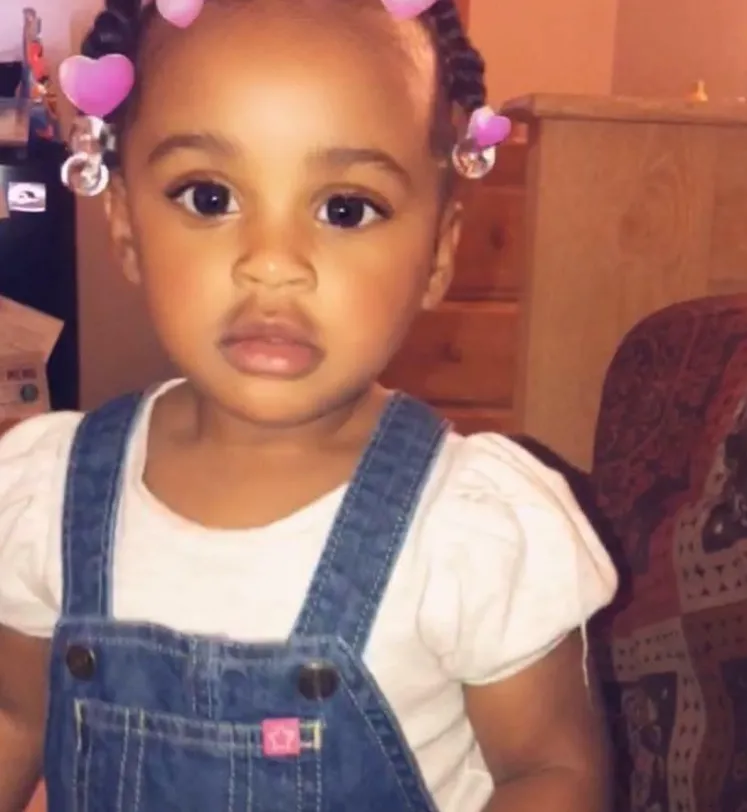
The Decision That Changed Everything
Despite the psychological evaluation, CPS chose not to pursue termination of parental rights. Their reasoning?
Fantasia appeared to “care” for her baby but had “limited parental capacity.”
Limited capacity.
Yet elevated abuse risk.
Yet documented instability.
Yet a previous hospitalization for infant injuries.
Still, the system believed she deserved another chance.
And so, when little Amarah was 10 months old, she was placed back into her mother’s custody.
Her father’s family begged the system to reconsider. They insisted the baby was not safe. They said from the beginning that Fantasia was too unstable, too unpredictable, too emotionally detached.
But their concerns went unheard.
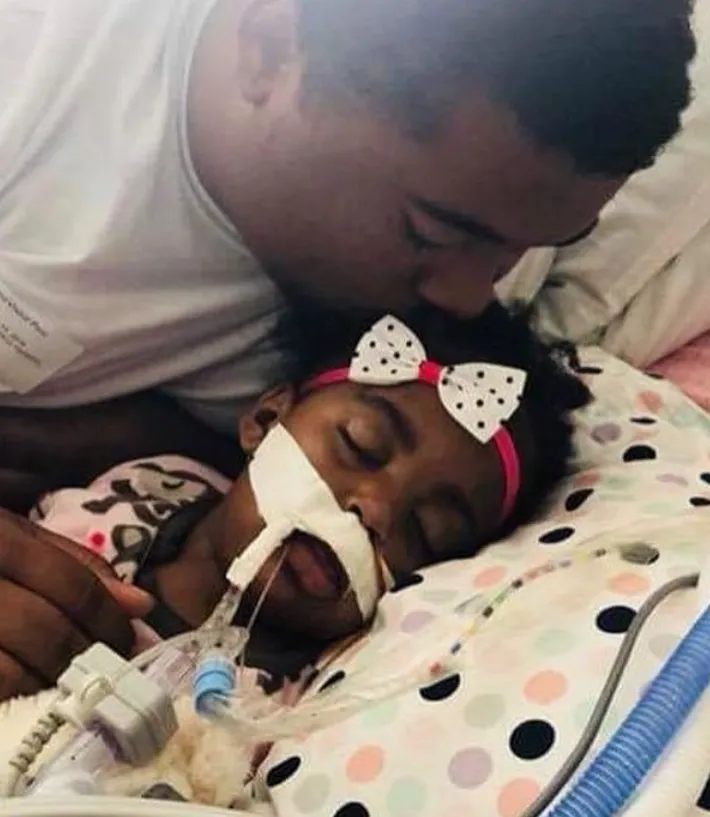
A Father Who Found Out Too Late
Amarah’s father didn’t even know she existed until May 2017, after her birth. When he learned he had a daughter, he immediately wanted to be part of her life. His family opened their arms, prepared to take her in, ready to raise her safely and with love.
They applied to gain custody.
They contacted CPS repeatedly.
They made their fears painfully clear.
But somehow, within a system meant to protect the smallest, most vulnerable children, their voices never carried enough weight.
Amarah was sent back to her mother instead.
Placed in the arms of someone whose psychological evaluation predicted danger.
Returned to a home filled with instability, depression, and emotional detachment.
And that decision sealed her fate.
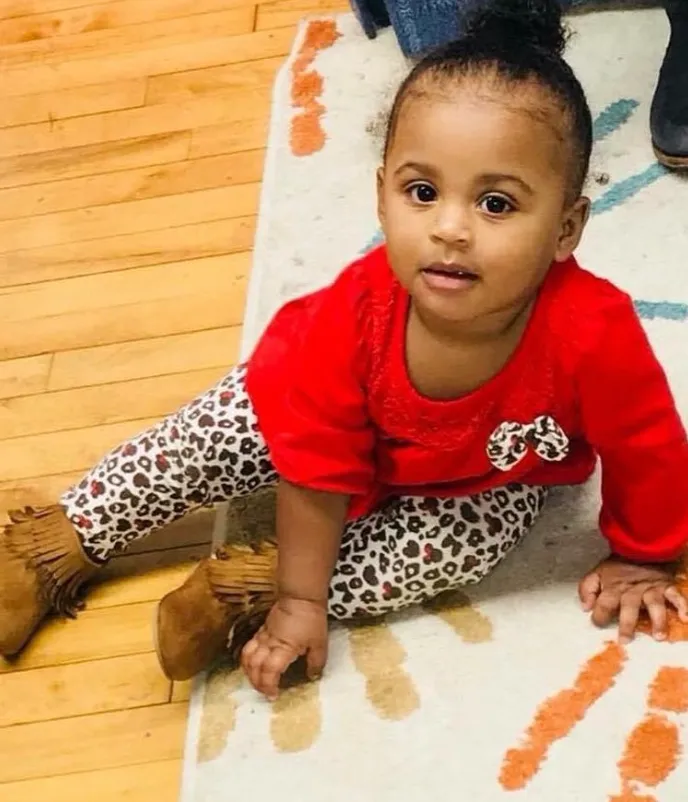
August 11, 2018 — The Day Everything Broke
At 22 months old, Amarah was rushed once again to a local hospital on August 11. This time, the injuries were catastrophic.
Doctors and nurses moved quickly, but the signs were unmistakable:
Severe head trauma.
Massive swelling.
Life-threatening internal damage.
Emergency staff immediately called police.
Within moments of seeing Amarah’s injuries, detectives suspected abuse. It didn’t take hours—it didn’t even take minutes. The brutality was clear.

The Charges Begin to Build
Fantasia Lane was arrested and charged with:
- Felony child abuse
- Felony child endangerment
But within days, the worst news arrived.
On August 16, five days after her hospital admission, Amarah succumbed to her injuries.
She fought.
Her small body tried.
But the damage was too severe, too violent, too final.
With her death, prosecutors prepared additional charges—ones that would reflect the full horror of what happened.
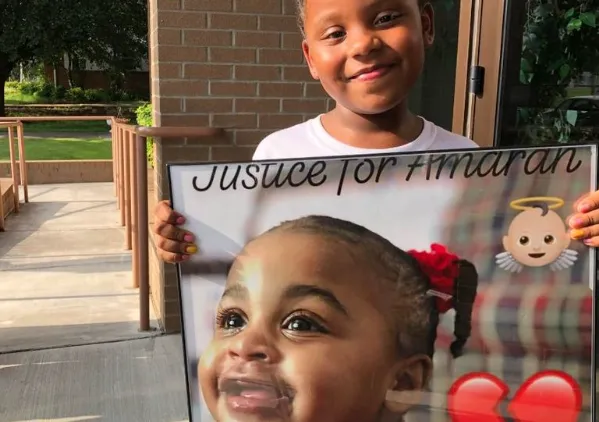
A System That Failed Her at Every Step
When news of her death became public, outrage spread quickly. Parents, neighbors, advocates, and even strangers online demanded answers.
How could a baby hurt at three weeks old be returned to the same person suspected of harming her?
Why did CPS ignore the psychological red flags?
Why was the father not given custody?
Why did warnings from his family go unheeded?
Why didn’t the system fight harder for this child?
The paperwork had predicted the future.
The warnings were written clearly.
Everything pointed to danger.
But no one stopped it.
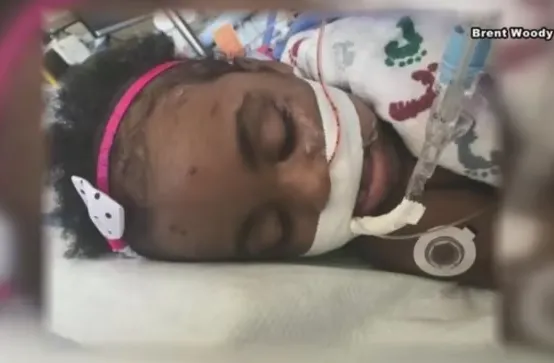
A Child Caught in the Crossfire of Someone Else’s Demons
Fantasia’s internal struggles were real—her depression, her instability, her emotional disconnection. Mental health challenges are not crimes, and many parents live with similar diagnoses while raising children safely and lovingly.
But Fantasia’s case was different.
Her psychological evaluation did not simply describe her condition—it predicted the outcome. The evaluators wrote that her inability to attach, her unstable mind, and her elevated abuse risk created a dangerous environment for her child.
It was not a vague warning.
It was a roadmap to the tragedy that followed.
Yet even then, the system chose to give her another chance.
And Amarah paid the price.
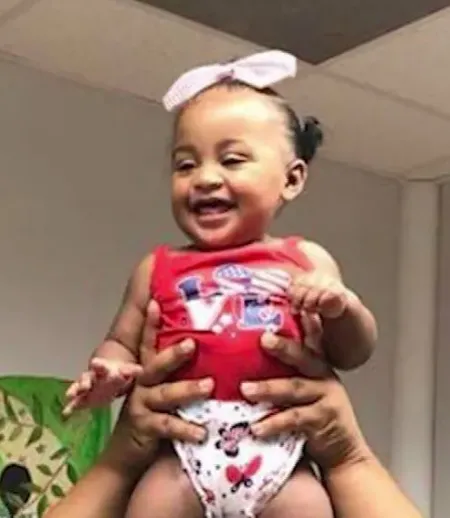
A Little Life Full of What-Ifs
If she had been placed with her father…
If CPS had acted on the evaluation…
If someone had spoken up louder…
If the warnings had been taken seriously…
Amarah might still be alive.
She might have celebrated her second birthday.
She might have learned to talk in full sentences.
She might have learned to run, to play, to laugh.
She might have lived the childhood she deserved.
Instead, her life was reduced to a timeline of hospital visits, reports, warnings, and finally—loss.
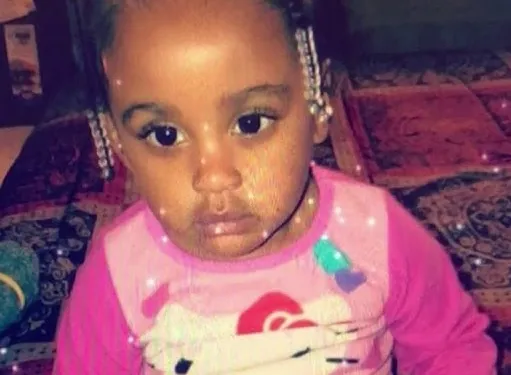
The Final Question That Still Haunts Everyone
It is the question that lingers in every conversation about Amarah:
How many warnings does it take before a child is truly protected?
Throughout her short life, there were multiple chances to save her:
- The hospital visit at 3 weeks
- The burns and swollen hands
- The psychological report
- The elevated abuse risk
- The father’s pleas
- The family’s warnings
- The repeated concerns from relatives
Each one was a flashing red light.
Each one was an opportunity.
Each one was a moment when someone could have stepped in and said:
“Enough. This child is not safe.”
But no one did.

A Legacy Written in Heartbreak and Urgency
Amarah’s story is now used in trainings, advocacy groups, and discussions on child welfare reform. Her case highlights one of the most painful truths:
Sometimes children don’t die because there were no warnings.
They die because those warnings were ignored.
Her life is a reminder that systems must be stronger.
That evaluations must be taken seriously.
That mental health concerns must be addressed with action—not hope.
That family voices must matter.
That babies cannot speak for themselves, so others must speak for themAmarah Lane did not have the chance to grow up, but her story continues to grow—changing hearts, shaping policies, and urging society to listen more closely to the signs we once brushed aside.
Because the next child in danger may not get another chance.
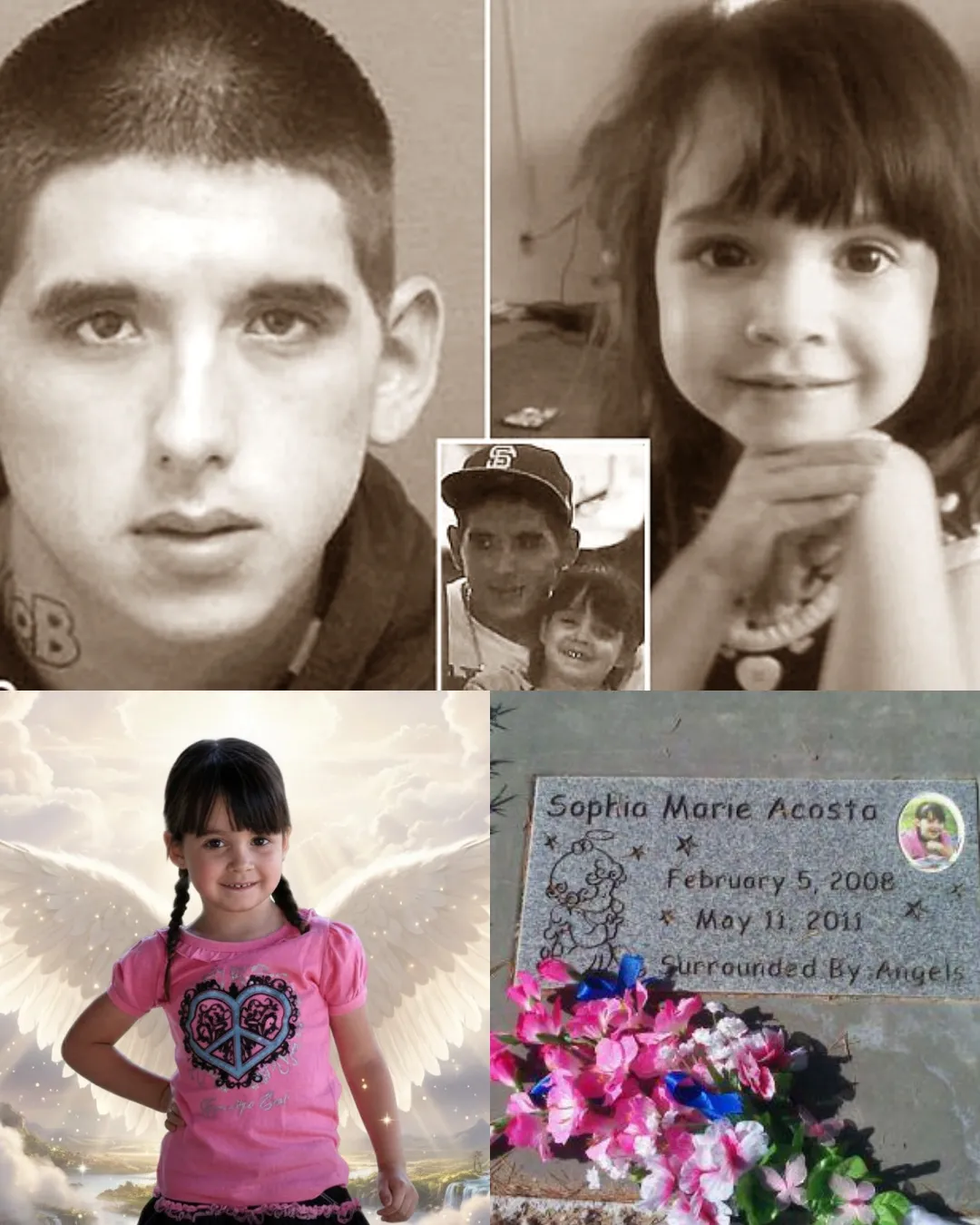
The stories that stay with us the longest are never the loud ones.
They are the quiet ones—whispers in the dark, small lives silenced too soon, warnings buried under excuses, and truths that make even seasoned investigators pause before speaking.
Sophia Marie Acosta’s story is one of those.
A three-year-old girl with soft curls, bright eyes, and a laugh that filled the tiny apartment she lived in—until the day everything went silent.
Her short life became a collision of innocence and depravity, of love and danger, of warnings missed and moments that can never be undone. And at the heart of her story lies a question no one has