There are stories that stop you in your tracks — not because they end in sorrow, but because they remind you how much love and courage can fit inside the smallest body.
This is one of those stories.
His name was Bennett Andrew Cleugh.
He was ten months old when he took his last breath on March 27, 2024.
And in those ten short months, he changed everyone who met him.
A Cold That Wasn’t
It began like any ordinary illness.
In September 2023, when Bennett was just four months old, he caught what his parents thought was a simple cold.
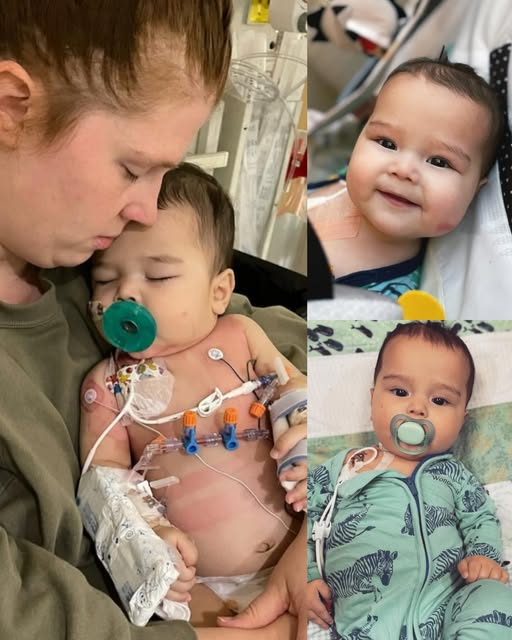
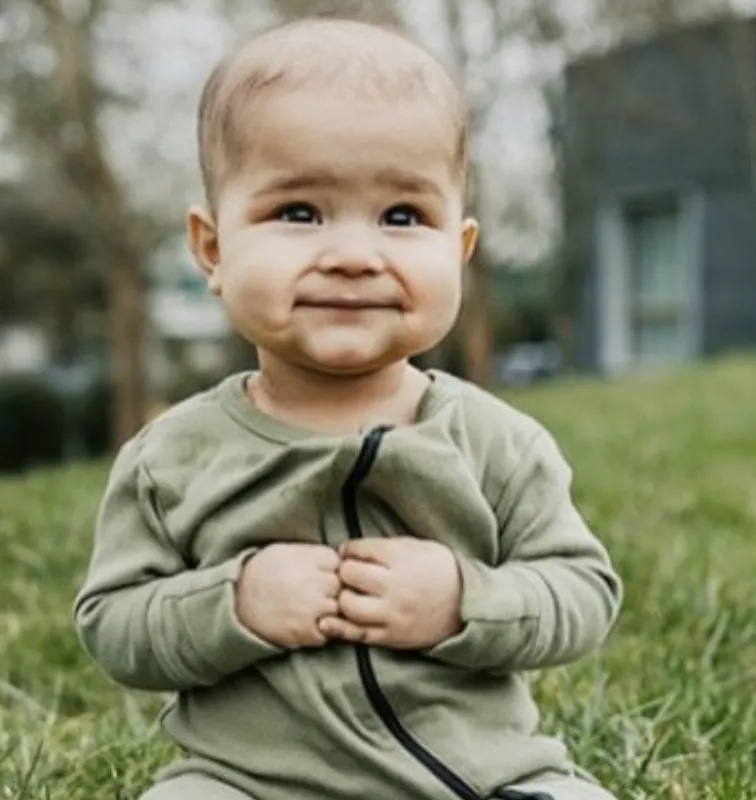
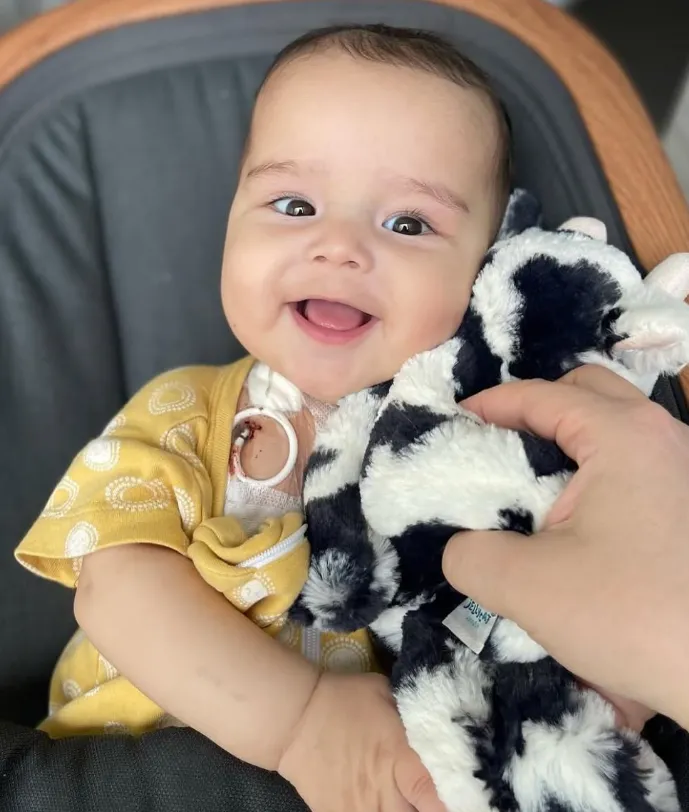
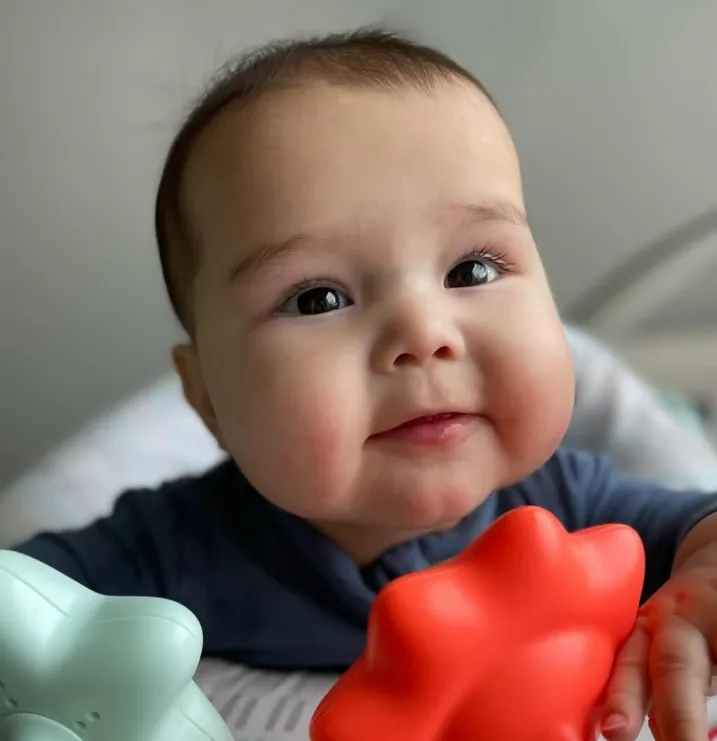
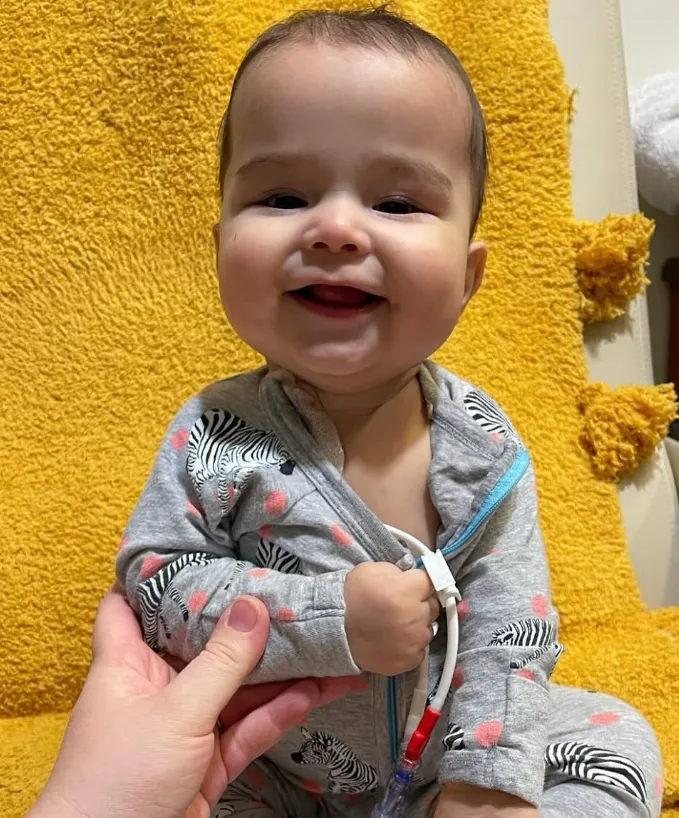
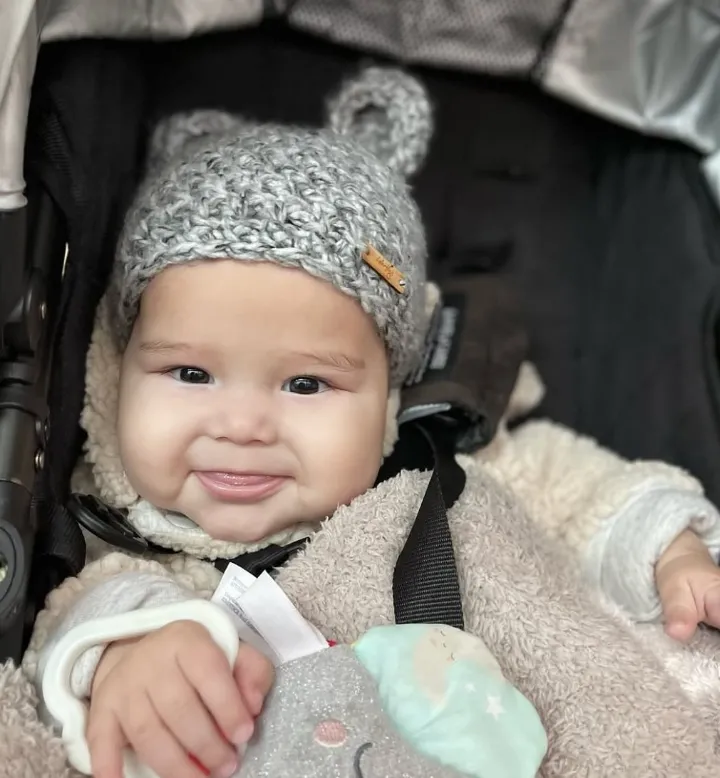
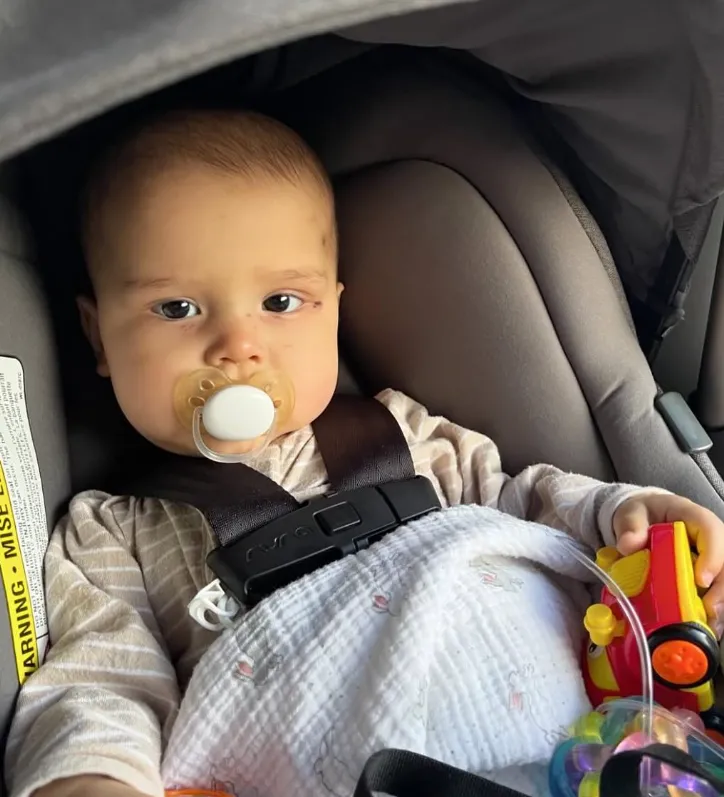
He was a happy, chubby-cheeked baby — full of giggles, fascinated by his toys, and adored by his big sister.
But one morning, he stopped eating.
He turned his face away from his bottle, something he had never done before.
His parents, uneasy, took him to the emergency room.
No one imagined that within hours, their world would collapse.
Blood tests, scans, more tests — and then the words that would split the world in two:
“High-risk Acute Lymphoblastic Leukemia.”
Their four-month-old son — the boy who had just learned to smile — had cancer.
The Beginning of the Fight
The diagnosis came with urgency.
Doctors explained that Bennett’s leukemia was aggressive and would requireimmediate, intensive treatment.
Chemotherapy began almost at once.
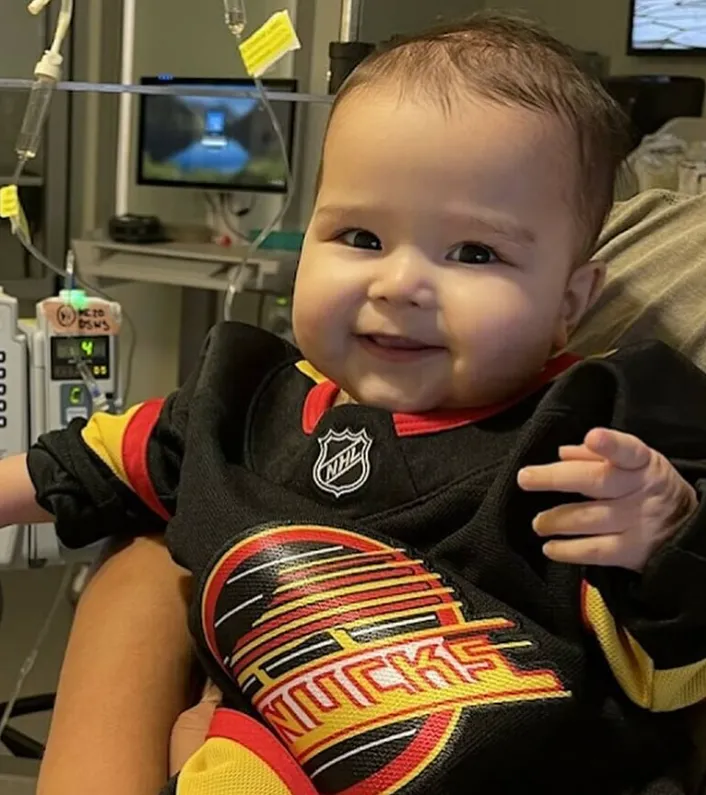
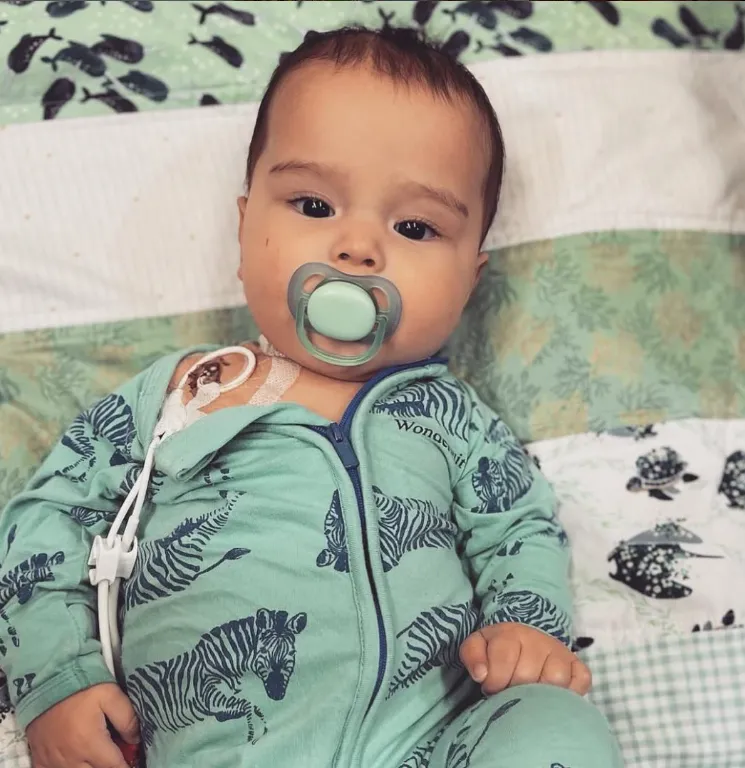
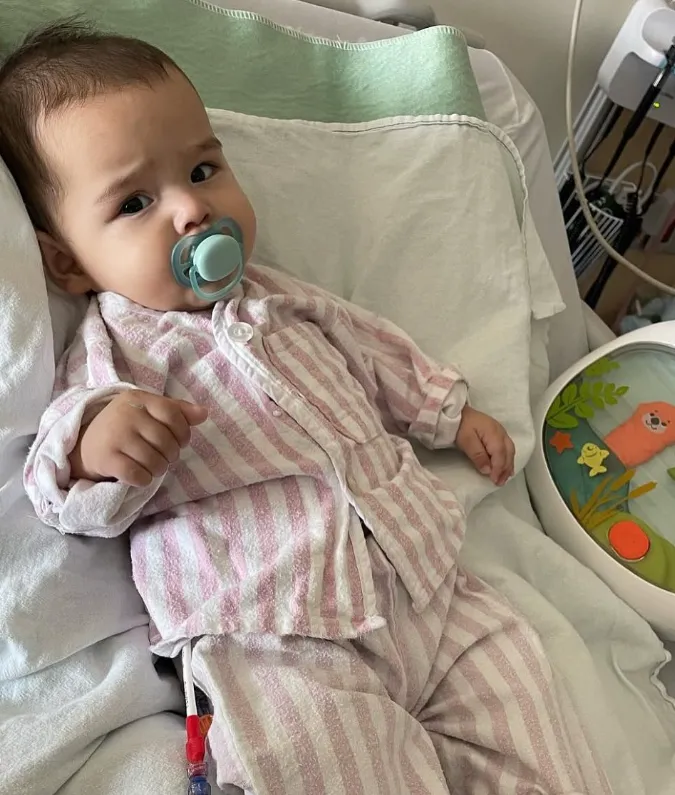
Tiny IV lines were threaded into his arm; monitors beeped steadily beside his crib.
His parents watched as the medicines meant to save him also took away his baby fuzz of hair, his energy, and sometimes even his appetite for life.
But Bennett, even then, seemed to understand something no one else could — that joy, no matter how fragile, was still possible.
He smiled at nurses.
He cooed at doctors.
He beamed whenever his sister came to visit.
Soon, the hospital staff began calling him “Mr. Smiley.”
A Glimpse of Hope
By late autumn, Bennett had endured several rounds of chemotherapy, but his body wasn’t responding as hoped.
His white blood cell counts remained dangerously high.
His doctor gently explained that standard treatments might not be enough.
That’s when the family was offered a new option — aCAR T-cell clinical trial, a cutting-edge form of immunotherapy designed to reprogram the body’s own cells to attack cancer.
It was a gamble, but the only one left.
And so, with trembling hands and hearts full of hope, his parents signed the forms.
The process began.
Bennett’s own T-cells were collected, genetically modified, and reintroduced into his body.
The first few days were tense — fevers, crying spells, sleepless nights.
But then, miraculously, the numbers began to shift.
For the first time, there was hope.
His parents remember those weeks as the most beautiful of the entire journey.
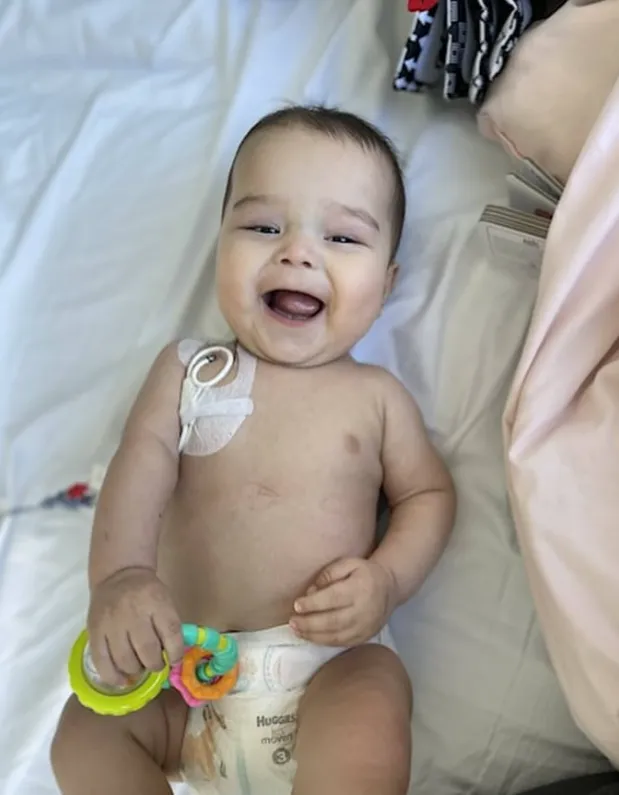
He was laughing again, watching his favorite show, Gabby’s Dollhouse, and clapping his tiny hands at the screen.
He played peekaboo with his sister, reached for his mother’s necklace, and babbled to anyone who would listen.
For a moment, it seemed like maybe — just maybe — they were going to win.
When the Light Began to Fade
But leukemia is a cruel adversary.
By early spring, just when Bennett’s family began to dream about taking him home for good, the blood tests changed again.
The doctors looked worried.
The numbers that once signaled remission were now climbing — fast.
The leukemia had found a way around the CAR T-cells.
It was adapting.
Once again, the hospital room filled with machines and whispered conversations.
Once again, his parents sat by his crib through long nights, praying for something — anything — that could turn the tide.
But medicine had run out of miracles.
The Final Days
By late March, Bennett’s little body was tired.
He had endured more in ten months than most people face in a lifetime — chemotherapy, immunotherapy, countless procedures, and the relentless side effects that came with them.
Still, he kept smiling.
Even in pain, he managed to lift his eyes toward his mother and grin.
Even as the oxygen tubes crowded his face, he looked at his sister with curiosity and joy.
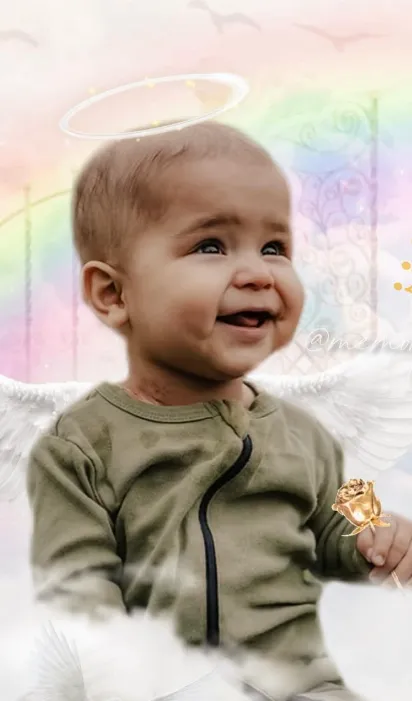
On March 27, 2024, surrounded by love, Bennett gained his angel wings.
He was ten months old.
His parents held him until the end — whispering lullabies, pressing their faces to his, memorizing every detail one last time.
And when his heart stopped, the hospital room fell silent — except for the quiet sobs of those who had loved him most.
Remembering “Mr. Smiley”
It’s impossible to talk about Bennett without talking about his smile.
Doctors, nurses, and volunteers who cared for him said they had never seen a child who radiated joy so effortlessly.
“He was pure light,” one nurse said. “Even when he was sick, he wanted to play. Even when we had to hold him still for treatment, he’d flash that grin, like he was saying, ‘It’s okay.’”
His family described him as a beacon of joy — curious, gentle, endlessly expressive.
He loved being outside, watching trees move in the wind.
He loved music and the rhythm of his sister’s laughter.
And he loved Gabby’s Dollhouse, a world of color and kindness that mirrored his own spirit.
A Family’s Promise
Grief has a way of carving deep silence, but Bennett’s parents refused to let that silence become the end of his story.
They began sharing his journey online, hoping to raise awareness about pediatric leukemia and the desperate need for more research and funding for infant cases — some of the rarest and hardest to treat forms of the disease.
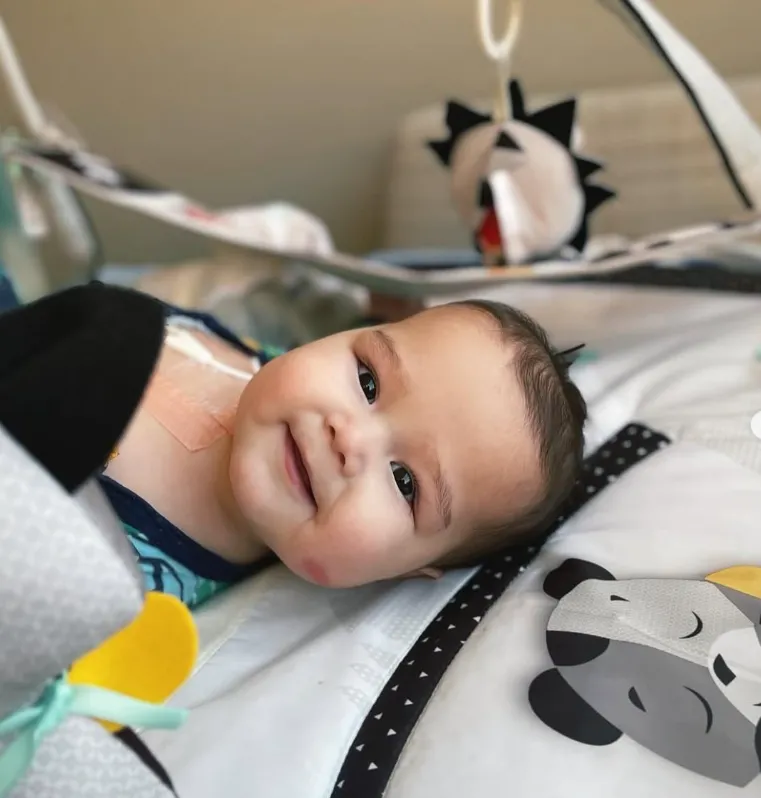
They spoke of the days that broke them and the small victories that made it all worth it — the first smile after a chemo round, the way he’d light up when his sister entered the room, the gentle moments of peace between the storms.
Every post ended with a single message:
“Keep smiling — for Bennett.”
The Cost of Courage
For those outside the world of pediatric oncology, it’s easy to see statistics and forget the faces behind them.
But Bennett’s story is a stark reminder that behind every medical breakthrough are real families — waiting, hoping, breaking, loving.
The CAR T-cell therapy that once gave them hope continues to evolve.
Researchers are learning from cases like Bennett’s — understanding how cancer adapts, finding ways to strengthen the next generation of treatments.
And though he didn’t survive, his fight is shaping the future of medicine.
His short life has already contributed data that may one day help another baby beat the disease that took him.
Love That Doesn’t End
In their Vancouver home, Bennett’s parents keep a small shelf dedicated to him.
A framed photo — his wide smile, two bottom teeth visible.
A stuffed toy his sister gave him during his last hospital stay.
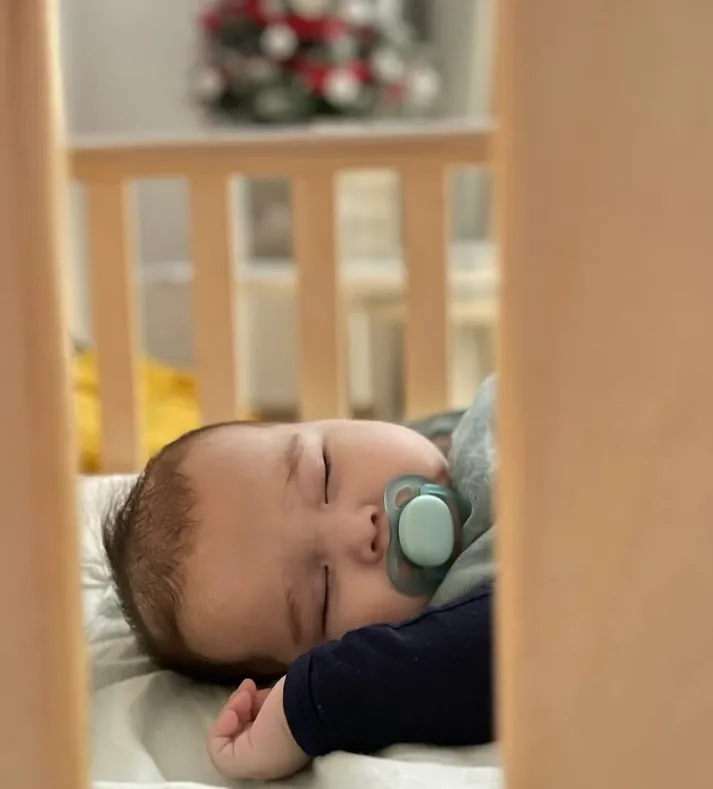
A candle that burns every night at 7 p.m., the time he used to fall asleep in his mother’s arms.
When people ask how they go on, his mother answers quietly:
“We don’t move on. We move forward — with him.”
Because Bennett’s story, though it ended far too soon, isn’t really over.
It lives on in every person who heard it and decided to hug their children tighter, to donate to research, to believe in light even when the world feels unbearably dark.
The Smile That Endures
In hospitals, doctors still tell his story — about the baby who smiled through chemotherapy, who lit up rooms with laughter, who fought harder than anyone could have asked him to.
They say his name to remind themselves why they do this work.
To remind families that even in the hardest moments, hope can look like a grin from a ten-month-old boy with a heart full of courage.
And somewhere — if love has a frequency strong enough to travel beyond what we can see — maybe Bennett still hears the music from Gabby’s Dollhouse, still giggles when his sister calls his name, still smiles that perfect, unforgettable smile.
Bennett Andrew Cleugh’s story is not one of defeat.
It’s one of love in its purest form — fierce, tender, and unbreakable.
A story that proves even the shortest lives can leave the longest echoes.
Because some lights, no matter how small, never truly go out.