
There are stories that break your heart once — and then there are stories like Kaylee’s, that shatter it again and again, yet somehow still leave you in awe of what it means to be brave.
Her name was Kaylee Rios, and by the time she was just two years old, she had already begun fighting for her life.
What she didn’t know then — what no one could have known — was that her battle would stretch across most of her childhood, through pain that would have broken most adults, and through odds that no parent should ever have to face.
Kaylee didn’t just fight cancer once.
She fought it three times.
And for eight long years, she met every relapse with the same quiet courage, the same radiant smile, and a willpower that even the disease itself could not touch.
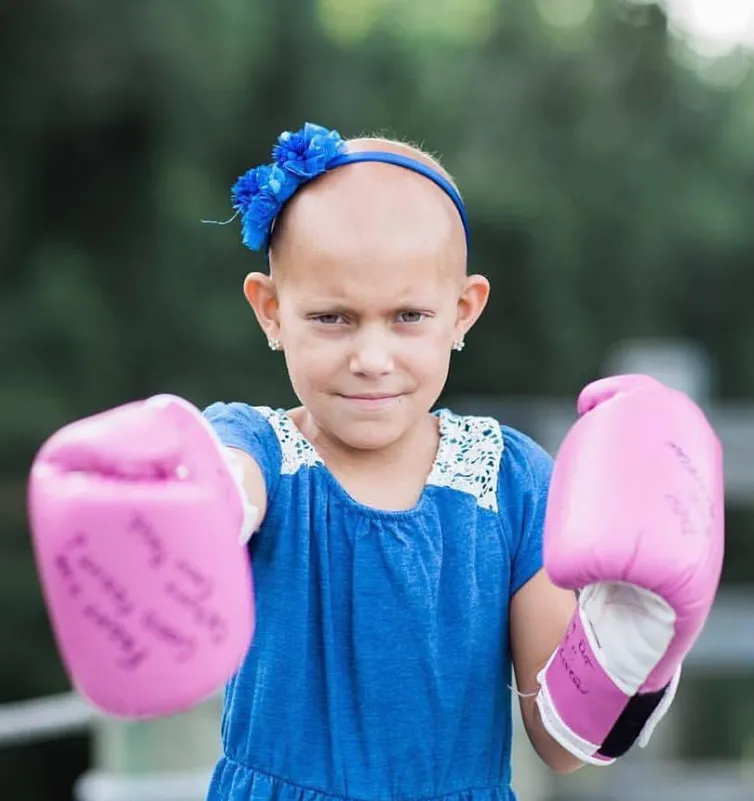
A Diagnosis That Changed Everything
In the summer of 2009, when other toddlers were learning to run and talk and tumble through playgrounds, Kaylee was losing her energy.
She wasn’t herself — tired, clingy, her once-bright eyes dimming with each passing day. At first, her parents thought it was a cold, maybe a virus. But as her symptoms worsened — fever, bruises, bone pain — they sought medical answers.
The diagnosis came like a knife: Stage 4 high-risk neuroblastoma — a rare, aggressive form of childhood cancer that forms in nerve tissue and often spreads before it’s discovered.
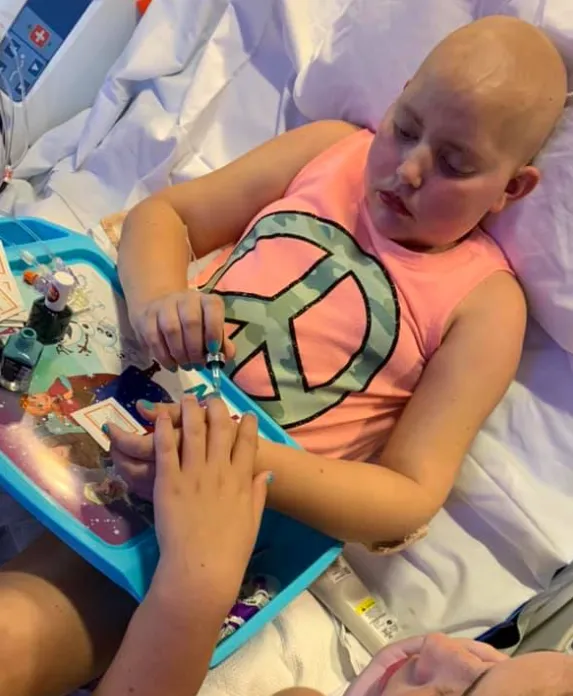
By the time doctors found it, it had already moved into her bones, bone marrow, and lymph nodes.
Her parents, shattered and terrified, suddenly found themselves thrust into a world of hospital rooms, IV lines, and words no one ever wants to learn: metastasis, chemotherapy, stem cell transplant, relapse.
Their little girl, barely old enough to speak in full sentences, was now a patient in an oncology ward — fighting for her life.
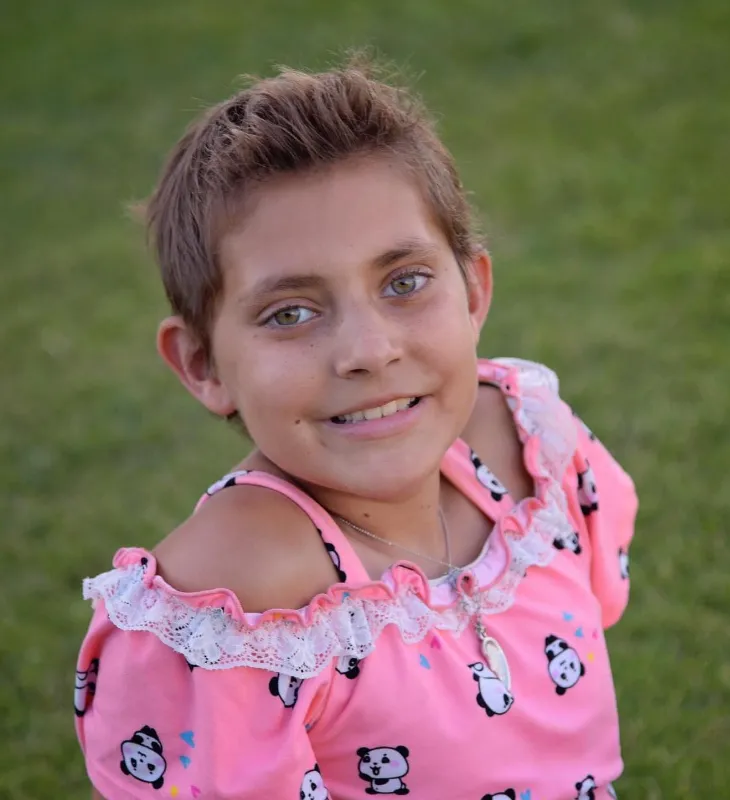
The First Battle
Treatment began immediately.
Doctors outlined an aggressive plan — 12 rounds of chemotherapy, surgery to remove the primary tumor, radiation, and a stem cell transplant. It was a roadmap filled with uncertainty, pain, and hope that flickered like a fragile flame.
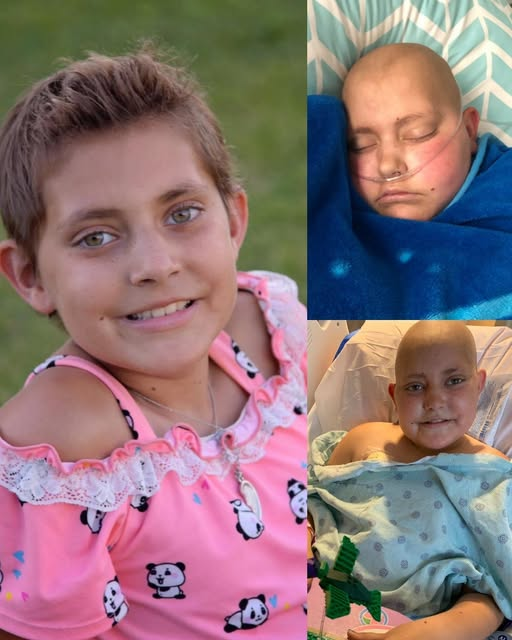
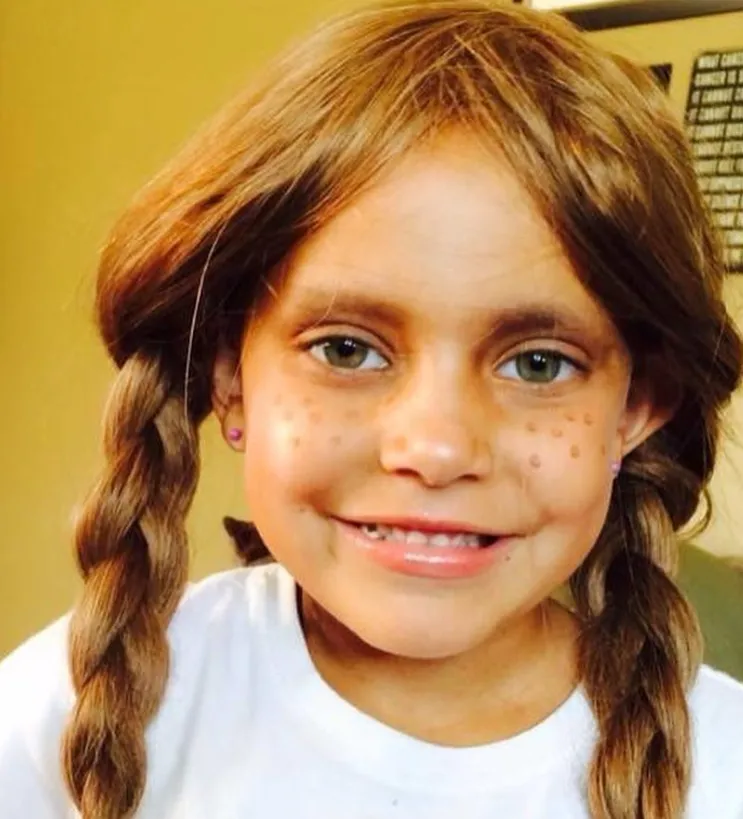
Kaylee endured it all with the kind of resilience that defied her age. Her mother would later recall how, even after chemo sessions that left her weak and nauseous, Kaylee would insist on painting her nails or playing with dolls.
“She didn’t see herself as sick,” her mom once said. “She just saw herself as Kaylee — and Kaylee still wanted to play.”
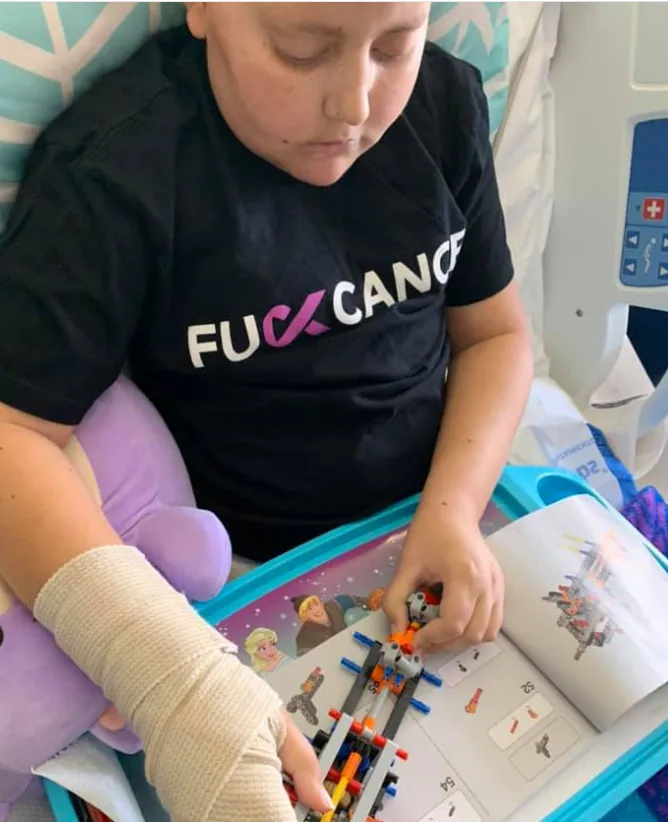
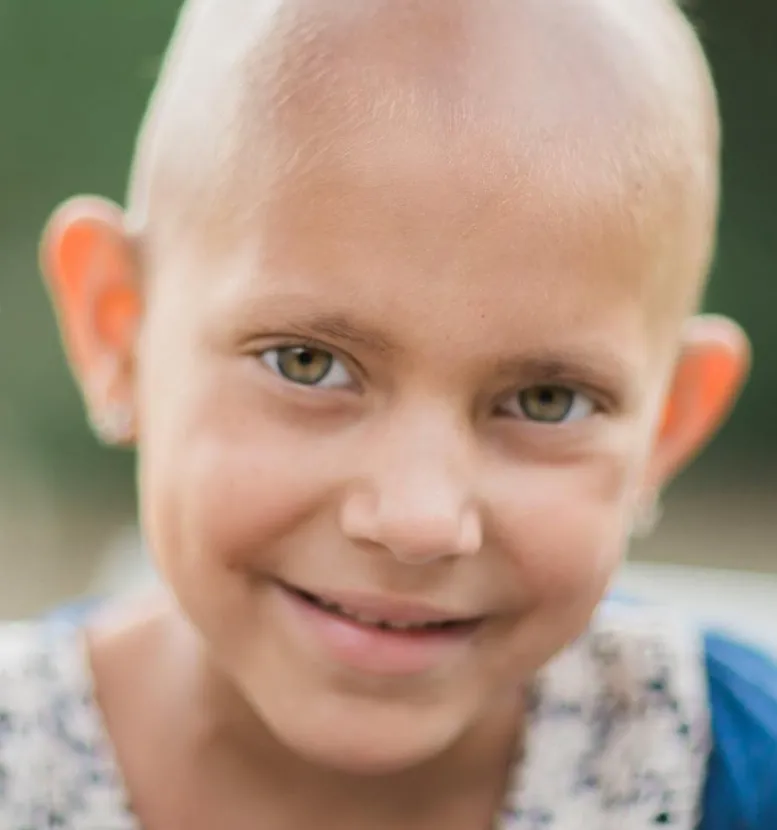
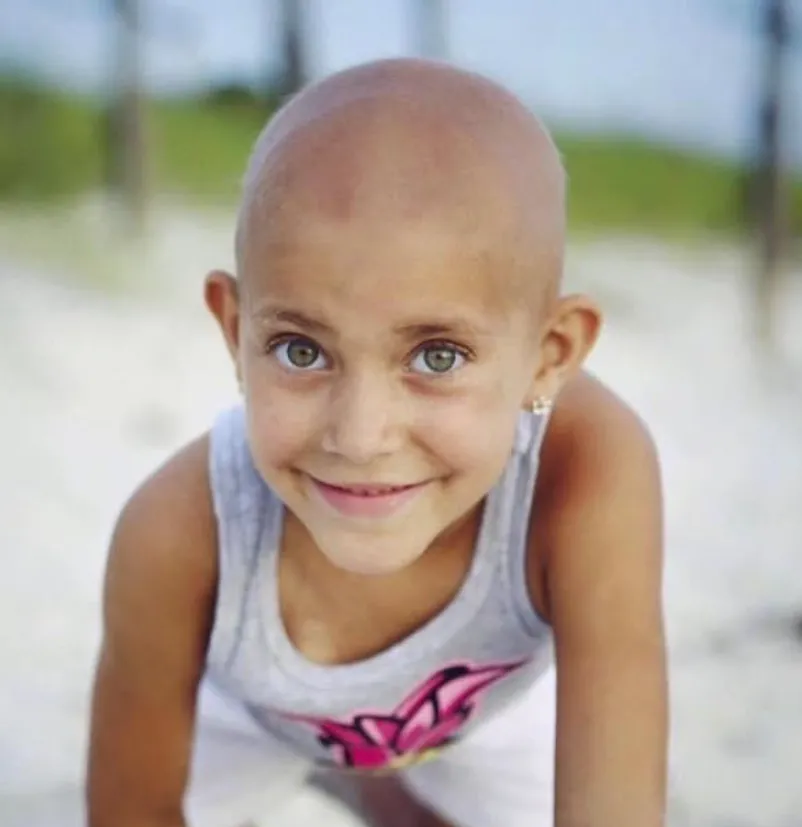
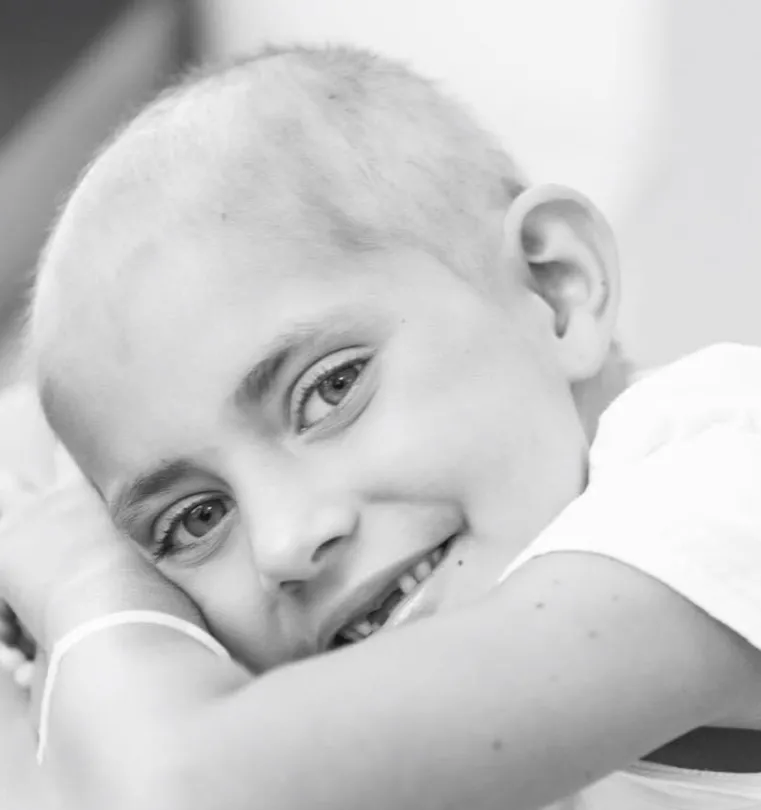
The nurses adored her. She had a way of lighting up the room, even when her hair began to fall out in soft tufts. She gave out stickers to other kids on the ward. She smiled at strangers in the hallway.
It was as if, even in illness, she refused to let cancer define her.
And for a while, it seemed like she had won.
After 18 long months of treatment, scans showed no active disease. Kaylee rang the hospital bell, symbolizing remission. Her parents cried. Doctors cheered. There was laughter, balloons, and the quiet, cautious hope that they might finally get to see her grow up.
The First Relapse
But cancer has a cruel way of returning just when hope begins to take root.
In August 2011, not even two years after her initial remission, scans showed that neuroblastoma had returned.
It was a devastating blow. The doctors explained that relapse in high-risk cases is extremely difficult to cure — but Kaylee’s family didn’t give up. They refused to let her story end there.
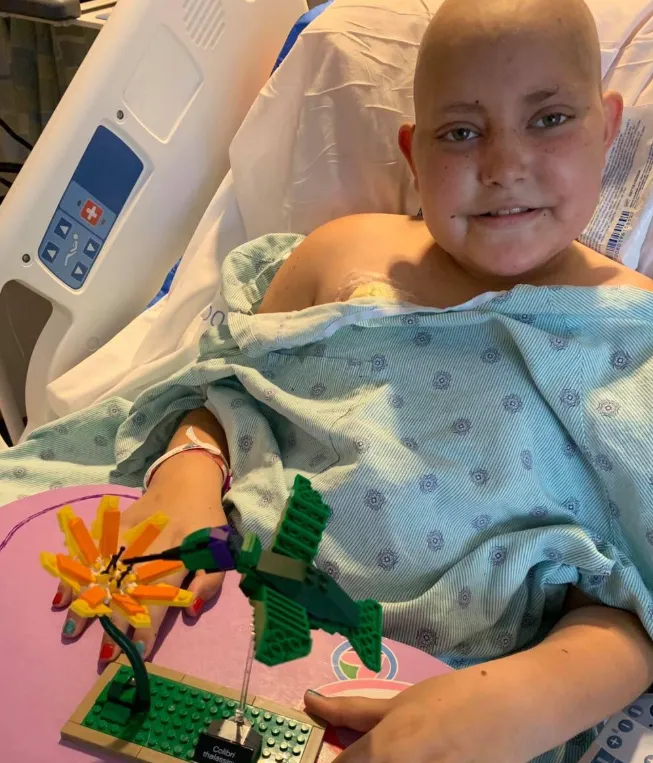
She began treatment again — more chemotherapy, more hospital stays, more nights spent watching monitors flicker in the dark.
By now, she understood more about her illness. She knew that medicine made her sick, that the needle pokes hurt, that sometimes her parents cried when they thought she was asleep.
But she also knew one thing more powerful than all of it: she wanted to live.
So she smiled through chemo. She painted rainbows. She made friends with other kids in the oncology ward — friends who sometimes didn’t make it home, but whose memories she carried with her.
The doctors marveled at her strength. “She’s a fighter,” they said.
And she was.
By early 2012, she was back in remission — fragile, but alive.
The Second Relapse
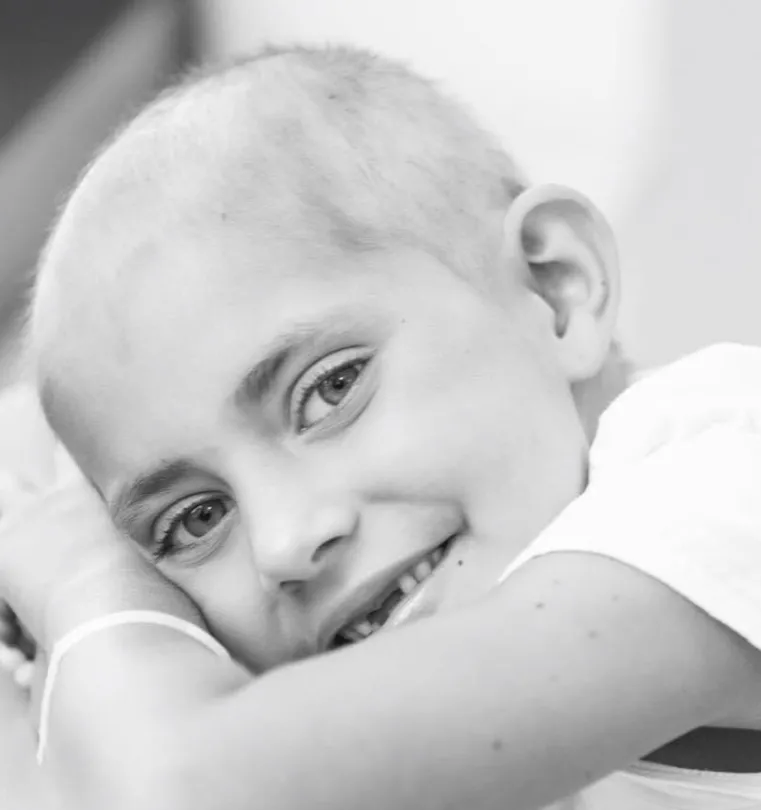
For nearly two years, life started to resemble something close to normal. Kaylee went to school, played with her cousins, dressed up for Halloween, and dreamed of being a nurse “so I can help other kids get better.”
But then, in April 2014, the nightmare returned.
The cancer was back again — this time more aggressive, more widespread, more resistant to the treatments that had once worked.
Her family was crushed. “It’s like lightning striking three times,” her father said. “You never think it can happen again. But it does.”
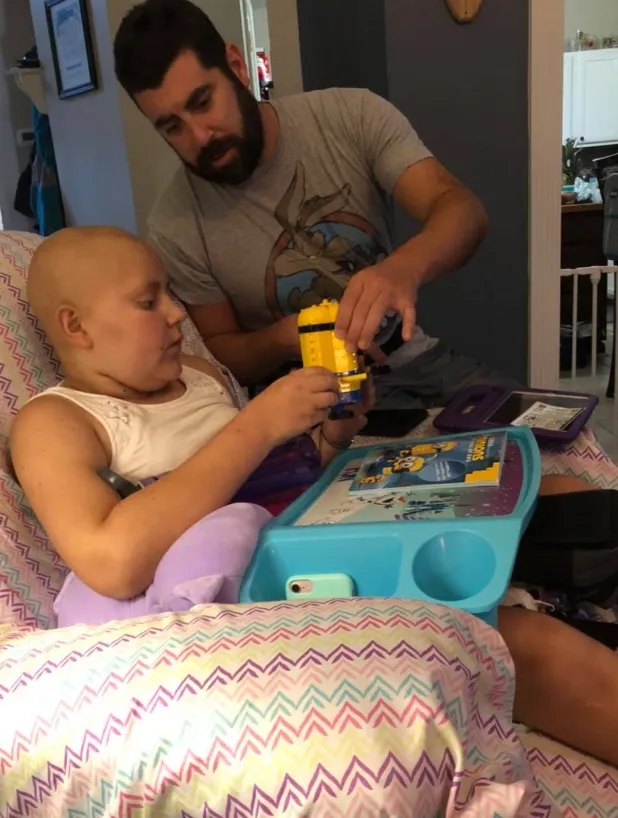
Kaylee’s team of doctors decided to try experimental treatments — new drug combinations, clinical trials, anything that could buy more time.
The chemotherapy sessions piled up: 34 rounds in total over the course of her young life.
Each one took a piece of her — her energy, her appetite, her innocence — but never her spirit.
“She’d walk into the hospital with her stuffed unicorn,” a nurse remembered. “Even when she was sick to her stomach, she’d still ask if we wanted to play cards. She never lost that spark.”
The Girl Who Lived for Moments
Through the pain, Kaylee found joy in small things — birthday balloons, coloring books, cupcakes, family movie nights.
Her favorite color was purple. Her favorite movie was Frozen. She adored Elsa, not just for her magic, but because Elsa was strong and brave — everything Kaylee was.
She wore purple ribbons and hospital bracelets like trophies.
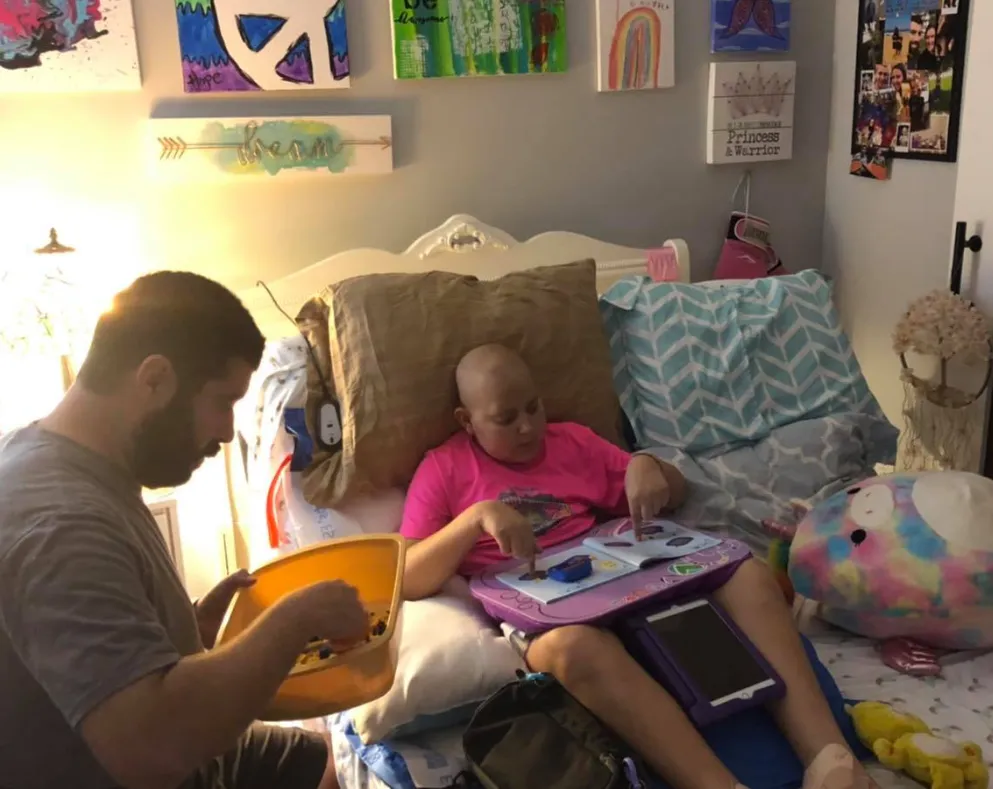
Even when her body grew weak, her imagination stayed fierce. She talked about growing up, getting married, becoming a nurse, and helping “other kids who have to be brave.”
Her parents held on to those dreams, even as the doctors warned that options were running out.
They prayed for miracles, but they also prepared for reality.
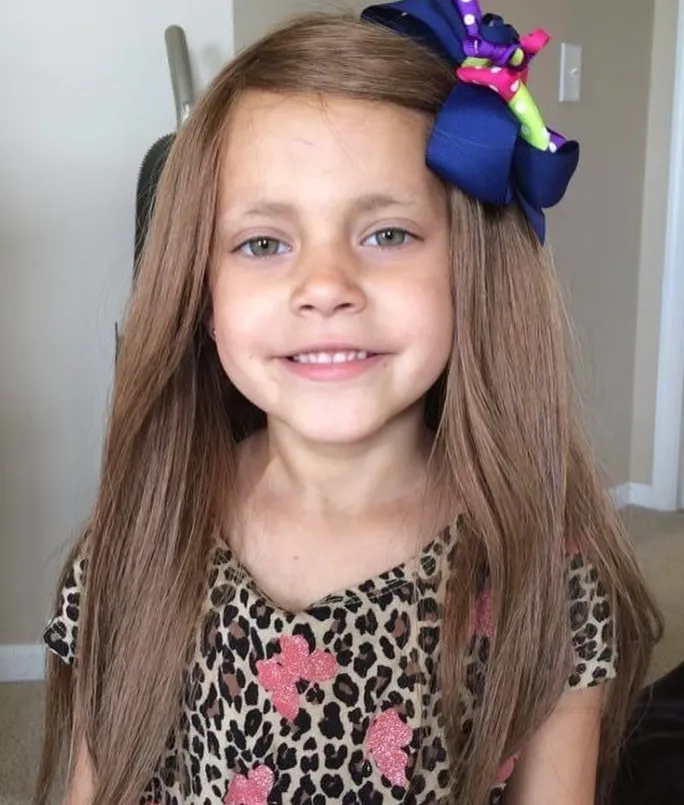
The Third and Final Battle
By 2020, Kaylee’s cancer had returned once more. Her body, tired from years of war, struggled to recover from each treatment.
But she still smiled. She still laughed when her mom made silly faces. She still hugged her dad tight every morning.
Her family chose to focus on comfort, on love, on making every remaining moment count.
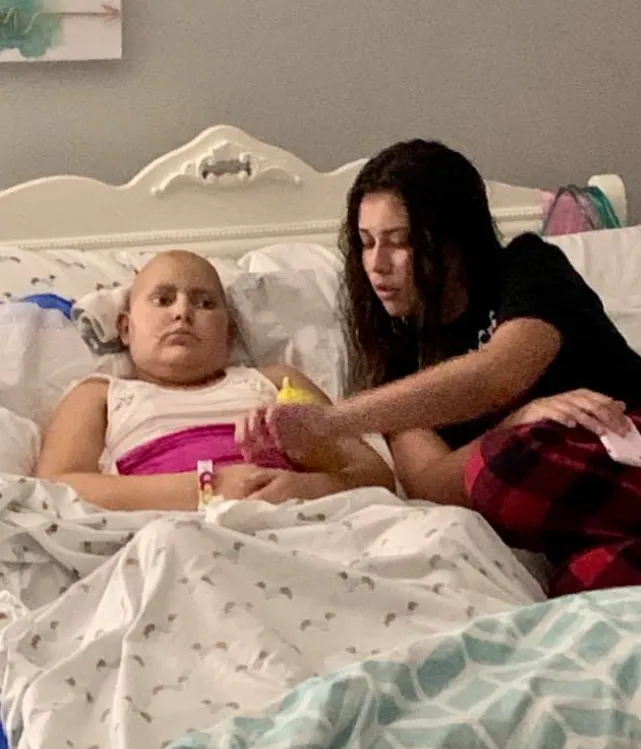
Hospice nurses helped them set up a space at home — soft blankets, favorite toys, sunlight streaming through the window.
On August 17, 2020, surrounded by her family, Kaylee took her final breath.
She was eleven years old.
Her mother later wrote, “She fought harder than anyone I’ve ever known. She was so tired, but she never stopped believing that she could get better. I told her she didn’t have to be strong anymore — that it was okay to rest. And she did.”
Remembering Kaylee
News of her passing spread quickly through her community and beyond.
Her teachers cried. Her nurses attended her memorial wearing purple ribbons. Friends and neighbors left flowers, cards, and stuffed animals on the Rios family’s porch.
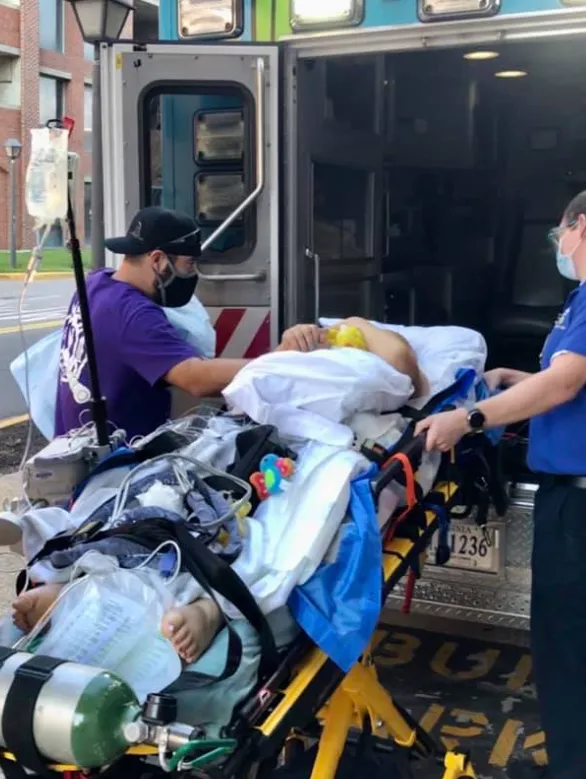
People who had never met Kaylee sent messages from across the country — parents, survivors, even doctors — all touched by the story of a girl who faced the impossible with grace.
“She taught us what courage really looks like,” one doctor said. “Not the absence of fear, but the decision to keep fighting despite it.”
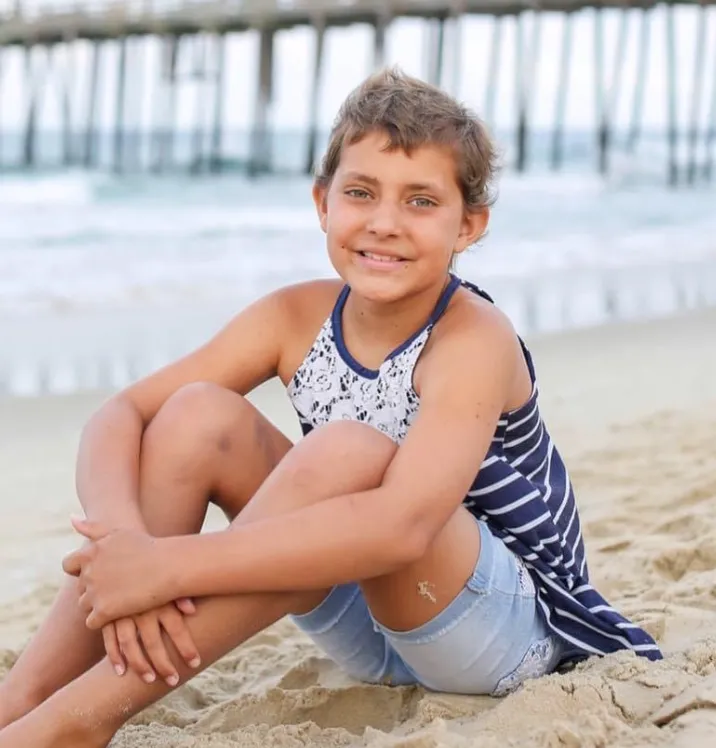
A Legacy That Lives On
Kaylee’s story didn’t end with her passing.
Her family founded The Kaylee Rios Foundation, a nonprofit dedicated to funding neuroblastoma research and supporting families with children in treatment.
Every year, they organize a walk in her memory — “Kaylee’s Light Walk” — where hundreds gather with purple balloons, remembering the little girl who refused to let darkness win.
Her name now appears on donation walls in children’s hospitals, her story used in awareness campaigns for early detection and pediatric cancer research.
Because while her body couldn’t stay, her light did.
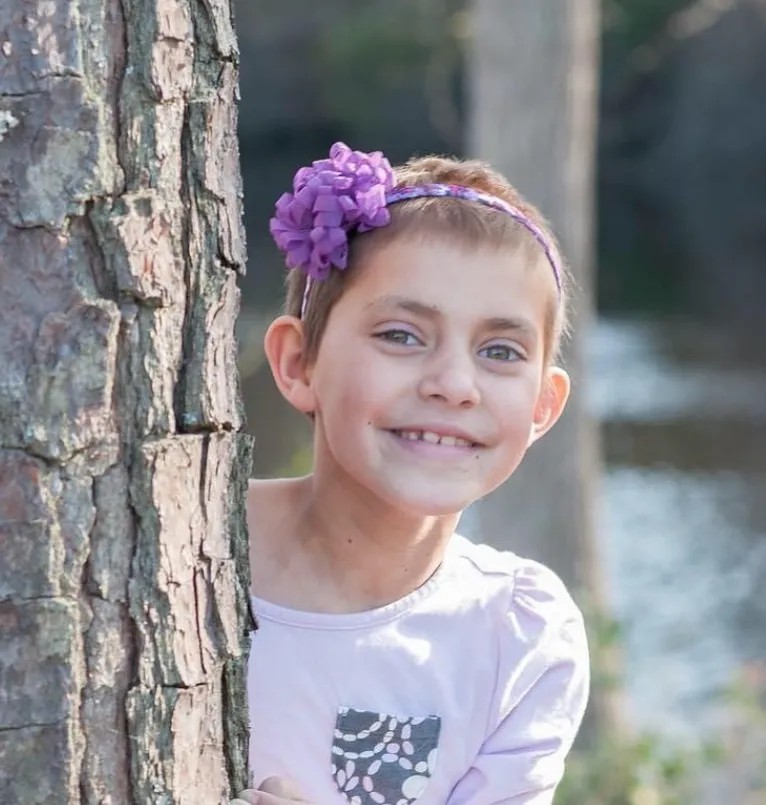
What Neuroblastoma Took — and What It Couldn’t
High-risk neuroblastoma is among the most aggressive pediatric cancers. It accounts for only about 6% of all childhood cancers, but nearly 15% of childhood cancer deaths.
It often strikes before the age of five — and even with modern treatment, the survival rate for relapsed cases remains below 10%.
It’s a disease that tests not just the body, but the spirit of every child and parent forced to face it.
But children like Kaylee prove something extraordinary: that even in the face of impossible odds, love, faith, and courage can leave a legacy stronger than death.
The Meaning of Her Fight
Kaylee’s story isn’t just about illness. It’s about defiance.
It’s about a child who refused to be reduced to a diagnosis.
A family who refused to stop believing.
And a community that learned that hope is not measured in years, but in the moments that make them matter.
Her mother once said, “People tell me they feel sorry for us, but I don’t want that. I got to love Kaylee for eleven beautiful years. I got to see what true strength looks like.”
And maybe that’s the message Kaylee left behind — that courage is not the absence of pain, but the choice to smile through it.
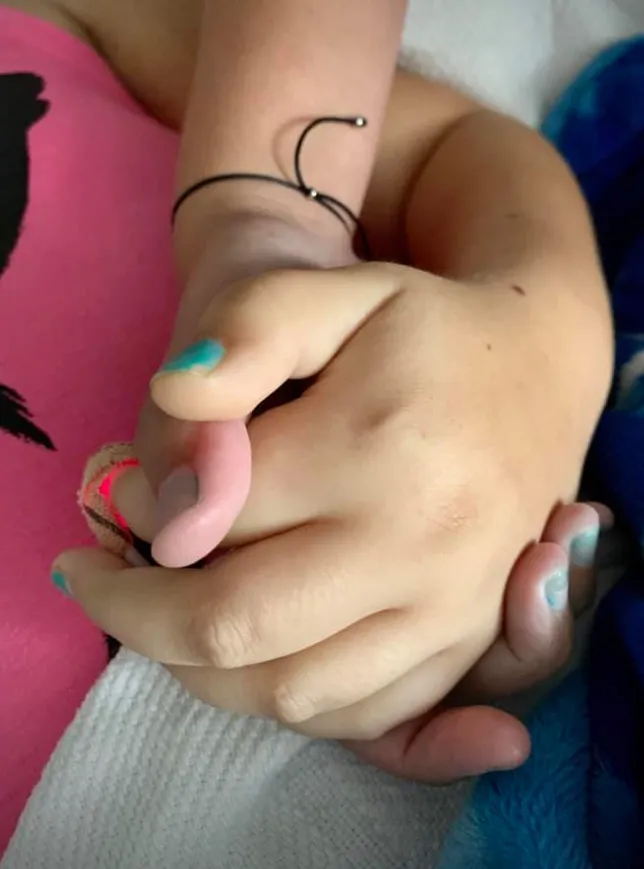
The Girl Who Fought Three Times
Three diagnoses.
Thirty-four rounds of chemotherapy.
Countless nights in hospitals.
And one heart that never stopped believing in tomorrow.
On the day she passed, the sky outside was clear — the kind of perfect summer day she used to love. Her family looked up, and someone whispered, “She’s free now.”
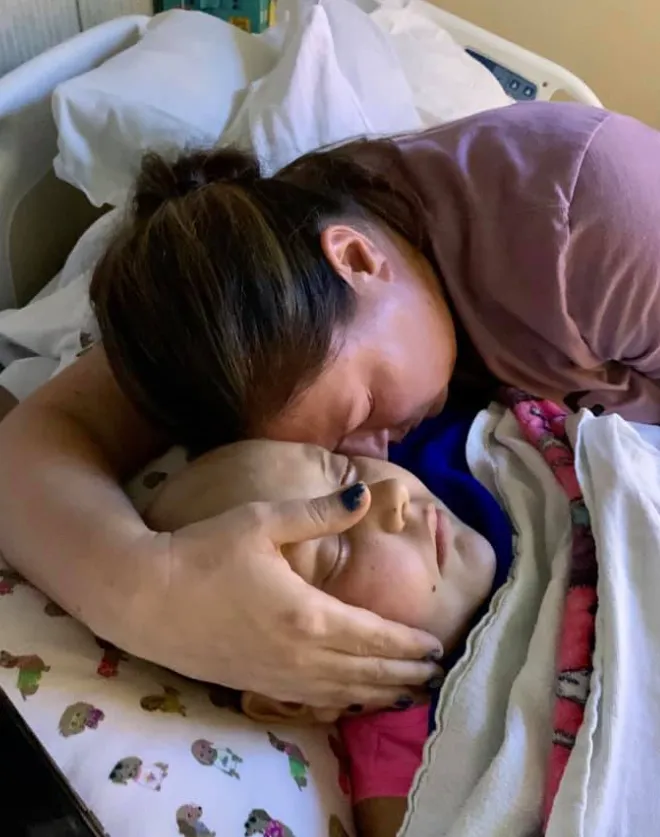
Maybe she is.
Maybe she’s somewhere where hospitals don’t exist, where her body no longer hurts, and where her laughter — the one that filled rooms with light — still echoes softly through the stars.
Because even after three battles, three relapses, and one final goodbye, Kaylee didn’t lose.
She simply ran out of time.
But her story — her strength — will never fade.
Not in the hearts she touched, not in the lives she changed, not in the light she left behind.
Kaylee Rios fought cancer three times — and though she’s gone, her courage still wins.